What Temperature Should a Heated Mattress Pad Be Set To?
- navienmate4
- Feb 2
- 4 min read

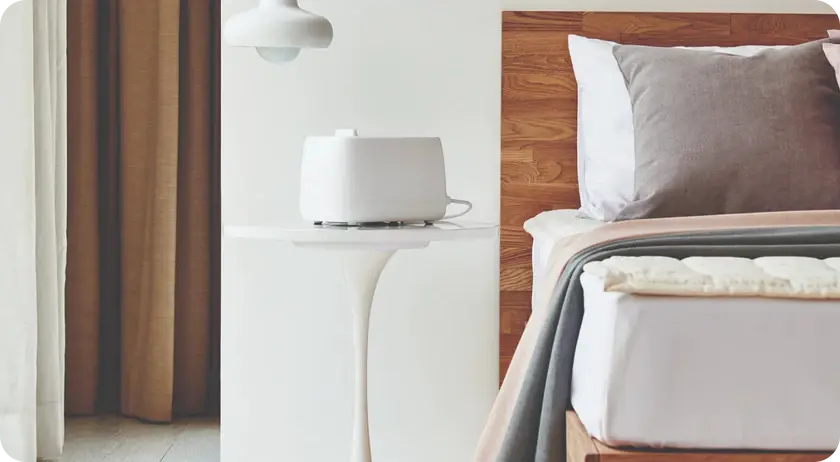
Nothing chills the excitement of bedtime like slipping into an icy cold mattress on a winter night, leaving you tossing and turning instead of drifting off to sleep. For many in colder climates like Canada, this discomfort turns restful nights into a battle against the freeze. A heated mattress pad offers a simple, effective winter bedding solution to preheat your bed and restore cozy comfort.
What Is a Heated Mattress Pad and How Does It Work?
A heated mattress pad, also called an electric mattress pad or heated bed pad, is a thin layer of bedding that sits directly on top of your mattress and under your sheets. Brands like Navienmate provide options such as water-heated models that circulate warm water through safe, embedded tubing for even heat distribution without electromagnetic fields (EMF). Electric versions use coiled wires or carbon fibers powered by a low-voltage controller to generate gentle warmth, typically adjustable across 4–12 settings. You plug it in, select your preferred temperature, and it warms the sleeping surface from below, mimicking the natural body heat retention of a toasty bed.
This design heats your body directly rather than the air around you, making it more efficient than room heaters. Most models reach optimal warmth in 15–30 minutes and include auto shut-off timers for safety.
Key Benefits of Using a Heated Mattress Pad
Heated mattress pads deliver consistent, soothing warmth that eases muscle tension and promotes faster sleep onset, especially helpful for those with arthritis or poor circulation. They're energy-efficient, using about as much electricity as a light bulb (roughly 50–100 watts on high), far less than space heaters. Unlike blankets that can shift, a mattress pad stays put, providing even heat across the bed without hot spots.
For winter bedding solutions, they transform cold mattresses into inviting nests, improving sleep quality without overheating the room. Users often report deeper, uninterrupted rest, waking up refreshed rather than stiff from the chill.
What Temperature Should a Heated Mattress Pad Be Set To?
Aim for a moderate setting—typically 4–6 out of 10–12 levels—for safe, comfortable overnight use, which keeps surface temperatures around 95–105°F (35–40°C). This mimics the body's natural warmth, preventing sweatiness while banishing cold discomfort. Start low (around 85–90°F or level 3) if you're new to it, adjusting up for extreme cold; sensitive sleepers or kids might prefer 2–4.
Always follow the controller's guidelines, as "high" varies by model—Navienmate water pads, for instance, excel at steady, skin-safe temps. Test for 15 minutes before bed to dial it in perfectly.
What Kind of Electric Heated Mattress Pad to Choose?
Prioritize pads with multiple heat levels, auto shut-off (8–10 hours), and overheat protection for safety. Opt for water-heated like some Navienmate options for EMF-free operation, or electric with thin wires for flexibility. Waterproof fabrics suit families, while fitted designs with deep pockets prevent bunching. Check
for UL/ETL certification and machine-washable materials.
The Electric Heated Mattress Pad Spreading Tips
Smooth the pad evenly over your mattress, tucking edges under and securing with fitted skirts or clips—no folds or overlaps to avoid wire damage. Place sheets snugly on top, avoiding direct skin contact with wires. Preheat 30 minutes before bed on low, then bump to your setting.
Is It Good to Sleep on a Heated Mattress Pad?
Yes, when used properly—millions sleep on them nightly without issues, enjoying better circulation and relaxation. Limit to 8–10 hours with timers, and consult a doctor if pregnant, diabetic, or with pacemakers due to rare heat sensitivity risks.
What Is a Good Heated Mattress Pad to Buy?
Look for models like those praised in Best Heated Mattress Canada reviews: dual controls for couples, 10+ settings, and soft flannel or cotton tops. Reliable picks balance price, durability, and features without skimping on safety certifications.
Which Is Better, an Electric Blanket or a Heated Mattress Pad?
Feature | Heated Mattress Pad | Electric Blanket |
Heat Delivery | Even from below, warms body core | Top-down, can bunch or overheat torso |
Safety | Stays flat, less burn risk | Slips off, higher entanglement hazard |
Comfort | Under sheets, feels natural | Drapes over, may feel bulky |
Efficiency | Targets mattress only | Warms air too, uses more power |
Versatility | Great for all-night use | Better for lounging |
Heated mattress pads win for sleep due to stability and body-focused warmth, while blankets suit quick cozy-ups.
How to Warm Up a Cold Mattress?
Layer a heated bed pad underneath sheets, preheat on medium for 20–45 minutes, and add thermal blankets on top. Quick fixes include hot water bottles at feet or a hairdryer on low over the surface—but a dedicated electric bed warmer is most reliable.
How to Keep a Mattress Warm in Winter?
Seal drafts with a mattress encasement, use flannel sheets, and top with a down comforter. A heated mattress pad as your base layer maintains steady warmth overnight, outperforming passive insulators.
Quick FAQ
Can I use a heated mattress pad every night?
Absolutely, with built-in safeties; just air it out weekly.
Does it raise electric bills much?
Minimal—about $5–10 monthly on average use.
Safe for memory foam mattresses?
Yes, low-heat models won't damage foam; check manufacturer specs.
This guide equips you to choose and use a heated mattress pad for optimal winter comfort, ensuring safe, sound sleep all season.


Comments